An attached garage can feel like a natural extension of your house, or like a new structure that never settled in.
We’ve all seen them: an older home with a garage slapped on the side like a third thumb.
In our work across the Lehigh Valley, we’ve seen both outcomes. The difference usually comes down to planning. A well-thought-out attached garage connects cleanly to the existing house, follows local codes, and makes your home life better without calling attention to itself. It looks like it belongs!
As a garage construction company based in the Lehigh Valley and working regularly in Kutztown, Allentown, and surrounding communities, we know that homeowners often start building a garage for cars, then quickly realize the real goal is more room, better storage space, and a layout for how their household functions. That may be as simple as a new bonus room, but it could also mean an entire master bedroom suite.
From our view, a successful garage addition does three things well: 1. it looks like it belongs on the property; 2) it ties into the house correctly from a structural standpoint; and 3) it improves daily life long after construction wraps up.
How to Plan and Build a New Attached Garage
Start With the House: Rooflines, Materials, and Proportions
When we design an attached garage, we always start with the house. Matching the existing house matters just as much as the size of the garage.
Roof design is one of the first things we look at. Matching roof pitch, slope, and overhang depth helps the garage addition blend into the home rather than stick out. Roof trusses need to be sized properly to handle snow loads common in the Lehigh Valley while tying into the existing roof system without stressing the structure.
Exterior finishes come next. In homes around Kutztown and Allentown, we often work with a mix of siding types, trim profiles, and window styles. Carrying those details through to the garage walls helps the new space feel connected instead of reading like a detached garage pushed up against the house.
Proportion ties it all together. Square footage, garage door spacing, and roof height should balance the rest of the building. From our experience, garages that ignore proportion can change how the entire house feels from the street.
Structural Tie-Ins: Foundation, Framing, and Roof Connections
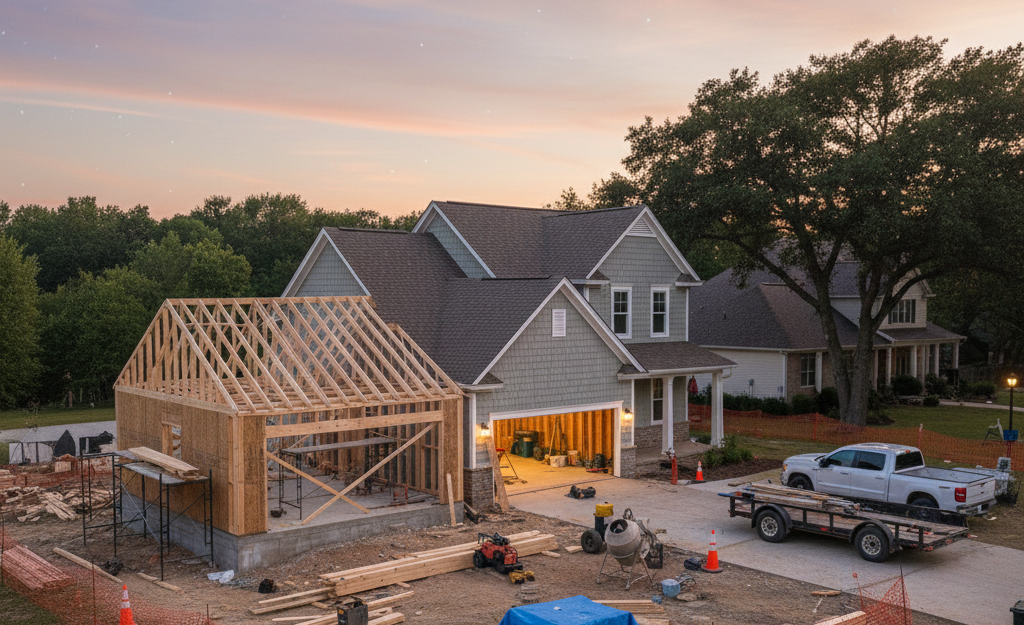
Building an attached garage creates opportunities that a detached garage cannot, but it does also introduce structural challenges we plan for early.
Foundation work is one of the first key decisions we make with homeowners when building a garage. Concrete footings and slab details must line up with the existing house while meeting local building codes, local codes, and building permit requirements. Concrete footings must align with the existing house foundation while meeting local building codes and building permit requirements. Soil conditions, frost depth, and ground drainage vary across the Lehigh Valley, and those details influence how the garage performs…and is constructed.
Framing connections are just as important. We take care to tie the new garage walls and floor system into the house without transferring movement that could lead to cracks down the road.
This matters even more when building a garage onto an older house, which is common in towns like Kutztown.
Roof integration is where experience really shows. Proper flashing, roof alignment, and framing transitions protect both the house and the garage addition. When done right, the connection disappears visually and performs quietly year after year.
Planning the Inside: Storage Space, Ceiling Height, Doors, and Layout
From our perspective, a garage should usually serve more than parking. Whether it functions as a car garage, workshop, or flexible space, the interior plan determines whether the garage stays useful or slowly fills with clutter. The interior plan determines whether the space stays useful or just fills with clutter.
Storage Space That Works Hard
We encourage homeowners to plan storage space from the beginning. Wall systems, closets, shelving, and overhead racks create extra storage without crowding cars or blocking car doors. Built correctly, the garage provides extra storage space for tools, seasonal items, and everyday gear.
Ceiling Height and Vertical Space
Ceiling height shapes how a garage can be used over time. We often recommend taller ceilings when possible, especially for homeowners with recreational vehicles, large trucks, or future workshop plans. Extra height also makes a car garage feel open instead of boxed in.
Garage Doors, Car Doors, and Openings
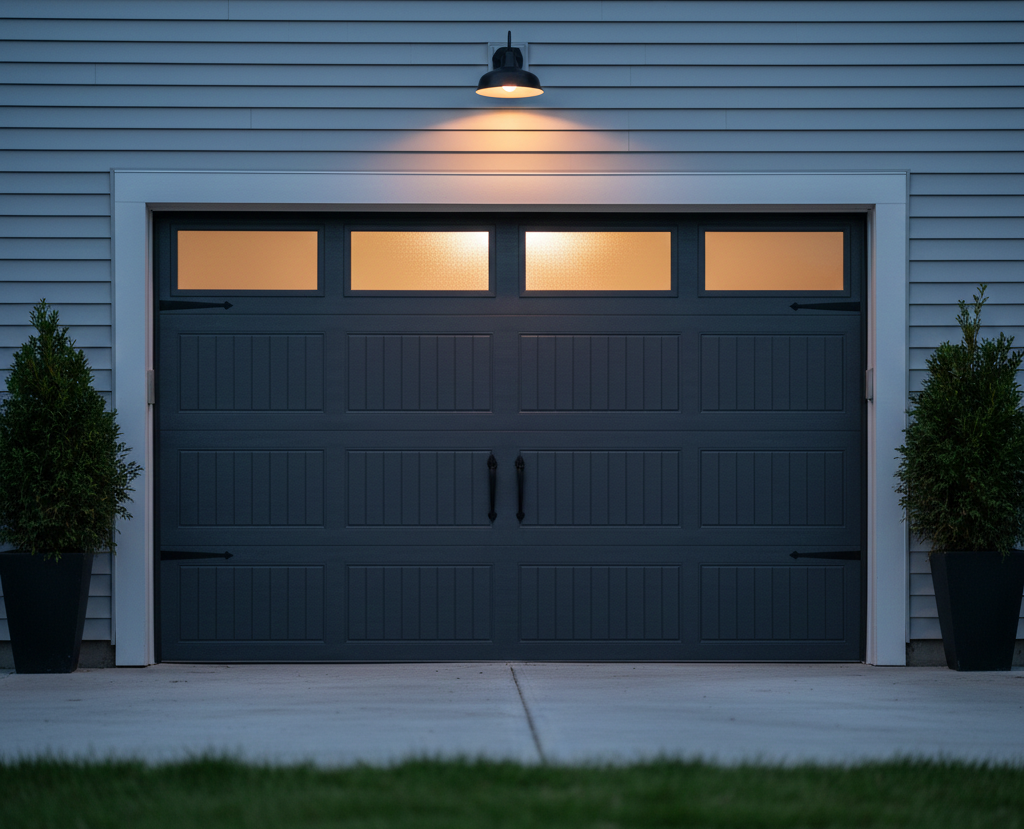
Garage doors play a big role in how the space works and how it looks. Door width affects how easily vehicles move in and out. Door height determines whether larger vehicles fit comfortably. Window placement changes light levels and visibility.
We help homeowners choose garage doors that fit the house while supporting how the space will be used every day. For example, on a recent attached garage project outside Kutztown, the home had traditional siding and divided-light windows, so we leaned into carriage-style garage doors with subtle window inserts. The doors looked right from the street, but they were also insulated and sized for modern vehicles, which made the garage far more comfortable to use year-round.
Common garage door options we walk through with homeowners include carriage-style doors, classic raised-panel doors, contemporary flush-panel doors, and doors with window layouts that echo the rest of the house. The right choice balances looks, insulation, durability, and how often those doors will be opening and closing during daily routines.
Layout That Supports Daily Use
Layout planning should follow your routines. We talk through how people enter the house, where storage belongs, and whether workshop space is needed.
One thing we see overlooked all the time is walking space around vehicles.
Many older garages built 50 or 60 years ago were sized tightly around the cars of that era. Vehicles were narrower and their doors were smaller. Fast forward to today, and wider vehicles, larger car doors, and car seats make those older dimensions feel super tight.
For example, a well-sized two-car garage today usually allows several extra feet beyond the bare minimum width, which makes daily use far more pleasant. For context, we often see older two-car garages that are only about 18–20 feet wide overall. By contrast, a more comfortable modern two-car garage might be closer to 22–24 feet wide, which allows roughly 3–4 feet of walking space between vehicles and walls. That’s the kind of thin homeowners feel every single day!
What About Bonus Rooms and Other Upgrades?
This is where attached garages really start to pull double duty. In our experience, many homeowners in the Lehigh Valley quickly realize that once you’re building a garage addition, it’s worth thinking one step ahead.
We often design attached garages with future bonus rooms, or at least adding them in the future, in mind. Spaces that might start as unfinished storage and later become a home office, guest room, playroom, or workout space. In some cases, homeowners know from day one that they want finished living space above the garage, which affects everything from roof trusses and insulation to heating, electrical, and stair layout.
Other common upgrades we plan for include mudrooms connecting the garage to the house at the right grade, dedicated workshop space for power tools, extra electrical capacity for vehicle chargers, and improved insulation so the garage stays comfortable year-round. These upgrades don’t have to be complicated, but they do need to be part of the plan early on.
Why Custom Matters for Attached Garages in Kutztown and the Lehigh Valley
Homes across Kutztown, Allentown, and the wider Lehigh Valley vary widely in age, layout, and construction style. A custom garage Kutztown homeowners invest in should respond to the house and their needs most of all. You don’t want a sore thumb.
Custom garage builders like us help homeowners prioritize what matters most—extra storage, workshop use, vehicle access, or future living space—while keeping budget, cost, and construction details realistic.
Working with a garage construction company that knows the area keeps the project organized, too, from early planning through permits, construction, and final installation.
Start Planning Your Attached Garage
Building a garage is a major project, but it doesn’t need to feel overwhelming. From our experience building a garage across the Lehigh Valley, the process goes much smoother when homeowners think early about budget, cost ranges, and what size garage actually fits their cars, tools, and storage needs.\
If you’re thinking about building an attached garage that fits your house and daily routines, our team is happy to talk through options and share what we’ve learned from building garages across the greater Lehigh Valley, Berks, and Schuylkill Counties.